ConnectNow × HKPC | AI Agent Workshop Debuts in Hong Kong
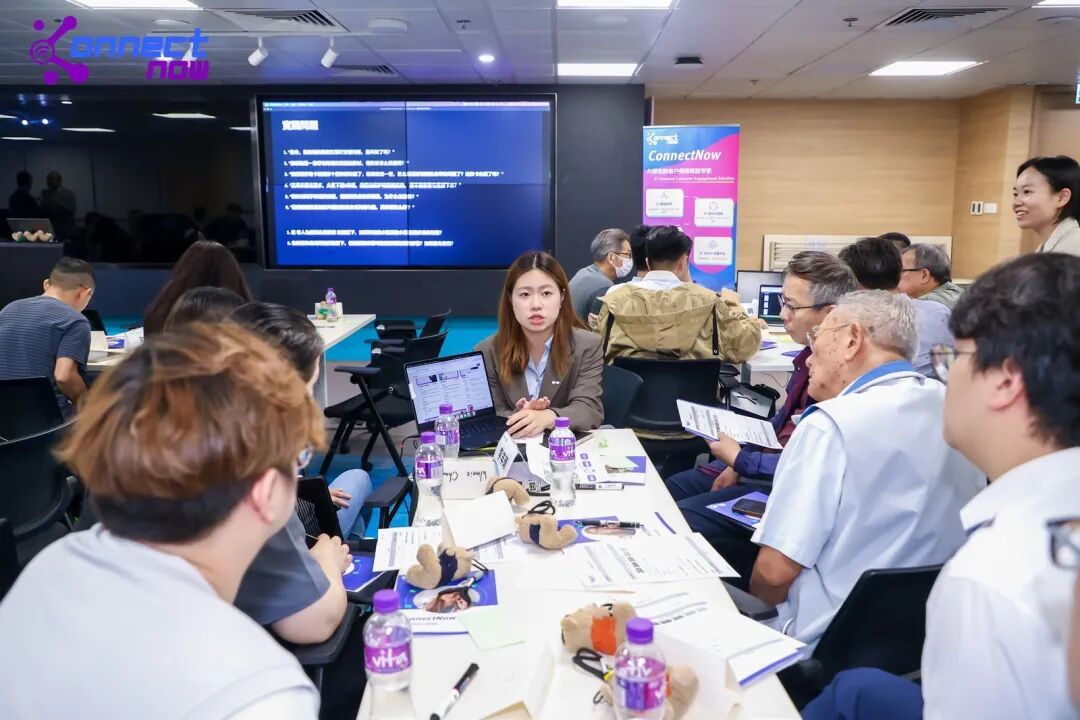
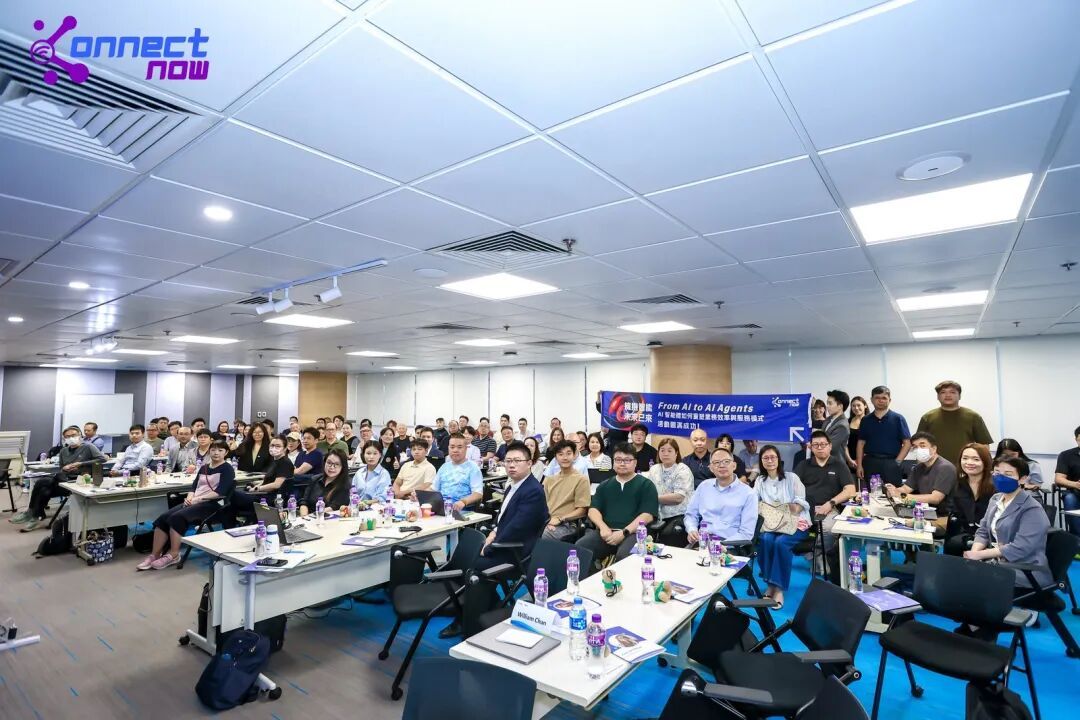
On April 16, ConnectNow, in partnership with the Hong Kong Productivity Council (HKPC), hosted a full-house industry event in Hong Kong:
“From AI to AI Agents – How AI Agents Are Transforming Business Efficiency and Customer Engagement.”
Bringing together over 80 business leaders across manufacturing, retail, finance, and textiles, the session focused on one key question:
How can AI Agents move beyond experimentation — and start delivering real business impact?
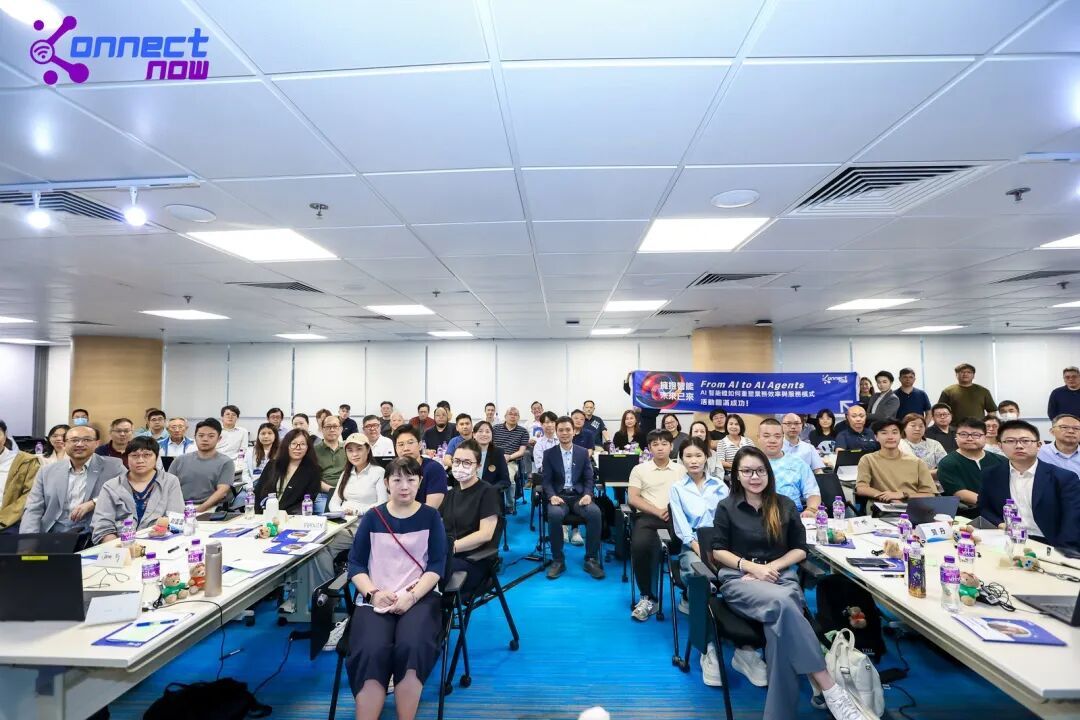
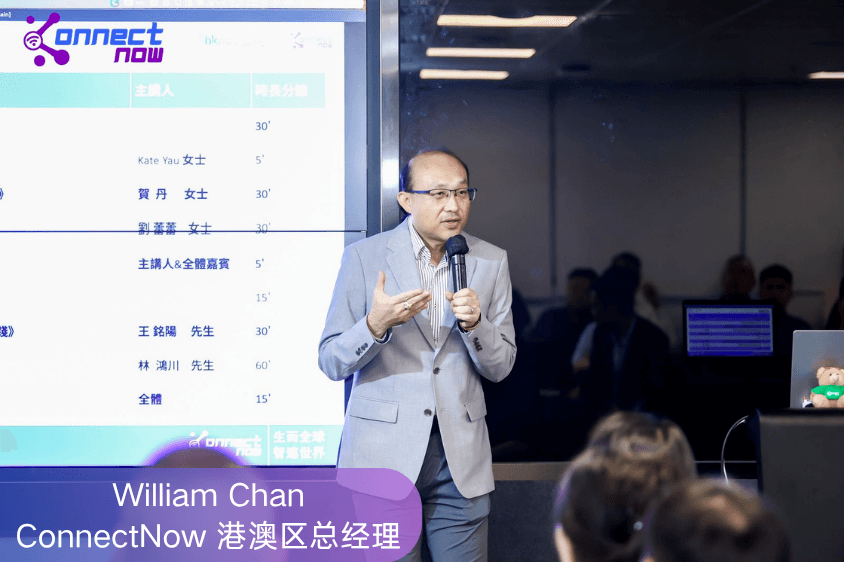
The event was hosted by ConnectNow’s General Manager for Hong Kong and Macau, William Chan, who opened the session by thanking attendees and acknowledging HKPC’s strong support.
He emphasized that AI Agents are rapidly becoming a critical driver of digital transformation. The goal of the session was not just to introduce concepts, but to provide actionable insights and hands-on experiences that businesses can directly apply.
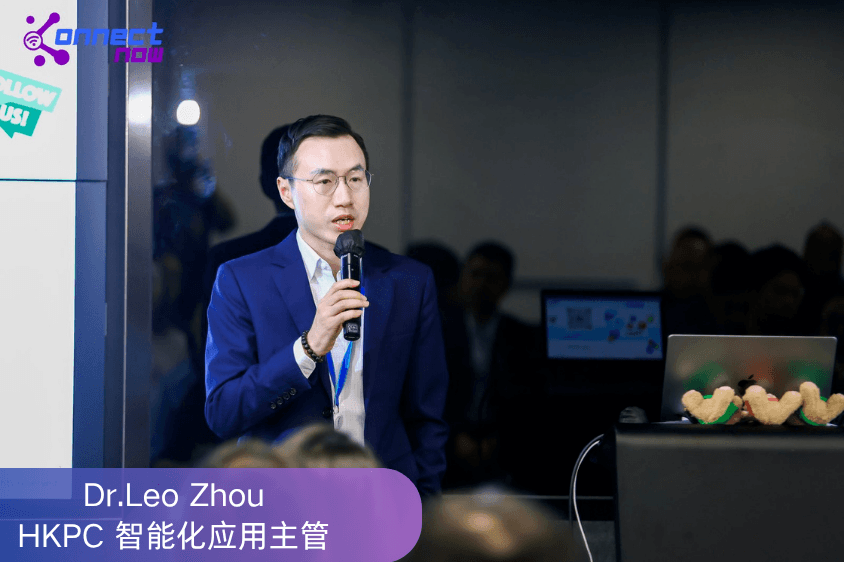
Dr. Leo Zhou, Head of Intelligent Application at HKPC’s Robotics and AI Division, echoed this perspective. He highlighted that companies in Hong Kong are currently at a pivotal stage of digital transformation and global expansion, where improving efficiency, enhancing service competitiveness, and enabling data-driven decision-making are top priorities.
“AI Agents are no longer a distant concept,” he noted. “They are practical tools ready to be integrated into real business workflows.”
AI Is Everywhere But Real Business Impact Is Still Rare
Despite widespread AI adoption, many companies are still struggling to translate AI capabilities into measurable outcomes.
Most existing solutions remain stuck at a superficial level:
- They can respond, but not execute
- They can answer, but not complete tasks
- They assist workflows, but don’t drive results
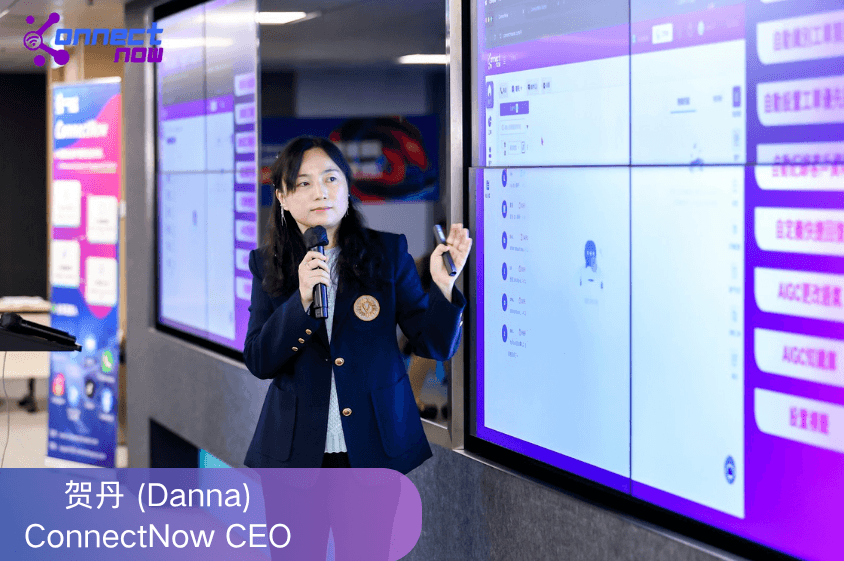
At the event, ConnectNow CEO He Dan addressed this gap directly:
“The real limitation of today’s AI isn’t intelligence—it’s the lack of execution.”
This is where AI Agents represent a fundamental shift.
What Makes AI Agents Different?
Unlike traditional AI tools or copilots, AI Agents combine four critical capabilities:
- Planning – breaking down complex tasks
- Memory – retaining context across interactions
- Tool usage – interacting with business systems
- Autonomous execution – completing tasks end-to-end
The result is a new operating model for AI:
From answering questions → to delivering outcomes
Or more simply:
Copilots assist. Agents execute.
Rethinking Customer Engagement with AI Agents
Customer engagement is one of the first and most impactful areas for AI Agent adoption.
At the event, three major shifts were outlined:
1. From Reactive Support to Proactive Execution
AI Agents don’t just wait for queries—they:
- Understand user intent
- Plan next steps
- Execute actions across systems
This enables full-cycle task completion, not just conversation.
2. From Fragmented Data to Unified Customer Memory
Modern customer journeys span multiple channels—WhatsApp, email, websites, and apps.
AI Agents unify these touchpoints into a single, continuous memory layer:
- No repeated questions
- No lost context
- No disconnected experiences
3. From Static Segmentation to Real-Time Personalization
Instead of predefined tags or segments, AI Agents dynamically adapt to each interaction:
- Continuously evolving user profiles
- Context-aware responses
- Scalable, real-time personalization
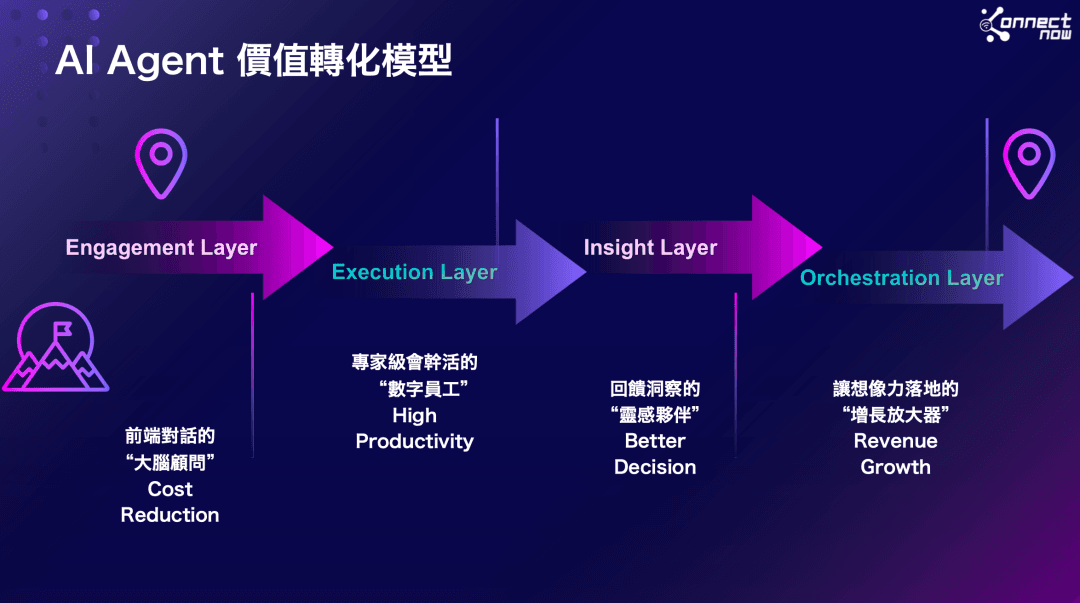
The AI Agent Value Model: From Cost Reduction to Revenue Growth
ConnectNow introduced a four-layer framework that directly links AI capabilities to business outcomes:
-
Interaction Layer
Automates front-line conversations to reduce operational costs -
Execution Layer
Acts as a digital workforce, completing tasks efficiently -
Insight Layer
Generates actionable intelligence for better decision-making -
Orchestration Layer
Connects workflows end-to-end to drive measurable revenue growth
This marks a critical shift:
Customer engagement is no longer just a support function — it becomes a growth engine.
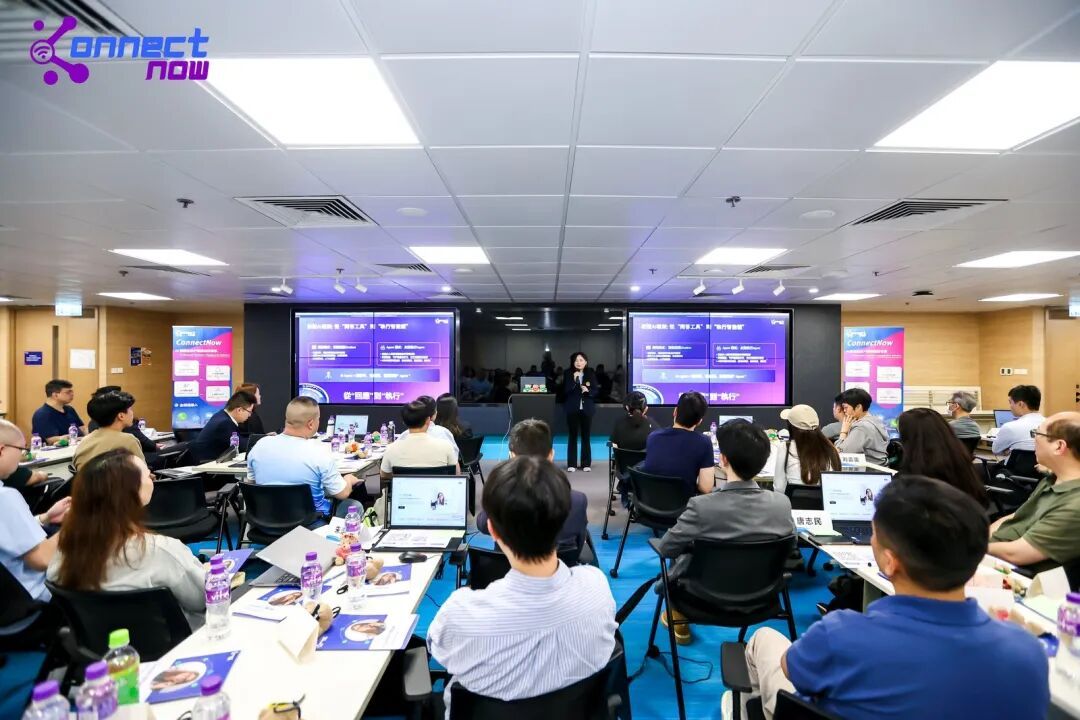
How to Successfully Implement AI Agents Without Overcomplicating
While the concept is powerful, execution matters. ConnectNow shared a practical rollout framework:
-
Structure your knowledge base
Clean, organized data is the foundation -
Start with high-frequency scenarios
Such as pre-sales inquiries, order tracking, and after-sales support -
Define human-AI collaboration clearly
Avoid overlap and inefficiencies -
Continuously optimize with data
AI Agents improve over time with real usage
Human + AI: The Only Model That Actually Works
A fully automated system isn’t the goal. A well-balanced system is.
The most effective model includes:
-
AI Automation
Handles up to 70% of routine inquiries with 24/7 availability -
AI-Assisted Agents
Supports human agents with real-time suggestions and automation -
Human-Led Service
Focuses on complex, emotional, and high-value interactions
The result:
AI delivers efficiency. Humans deliver experience.
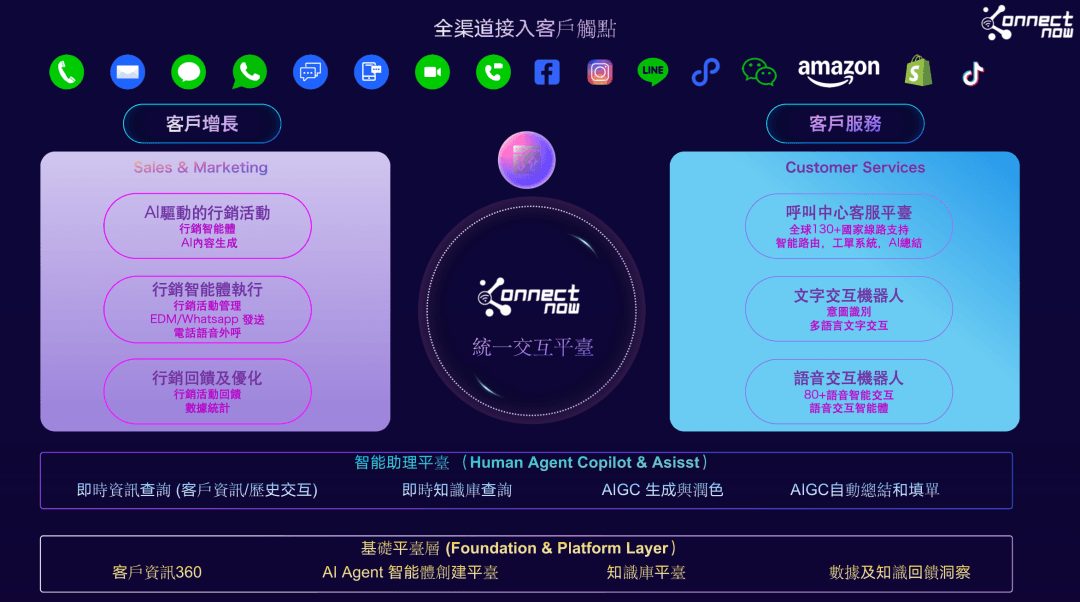
Scaling Globally with Multi-Agent Architecture
For global businesses, complexity increases exponentially — time zones, languages, channels, and product lines.
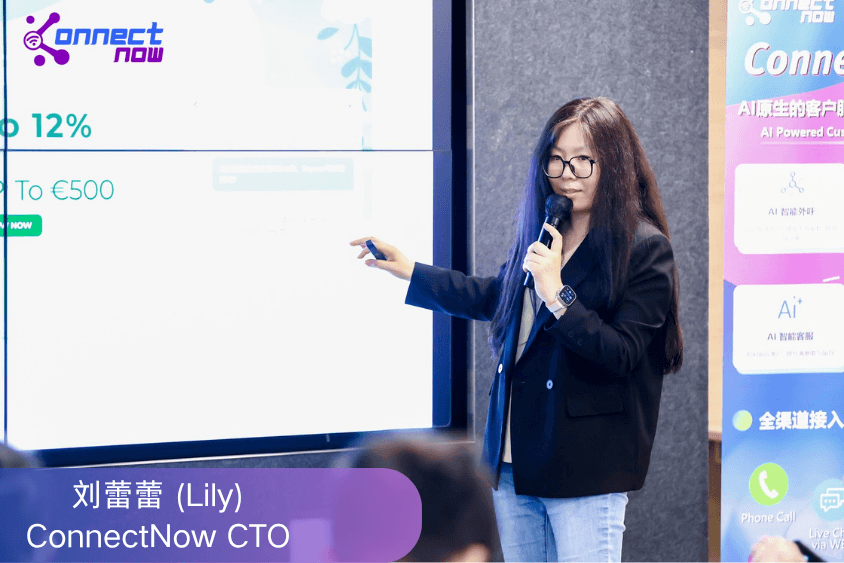
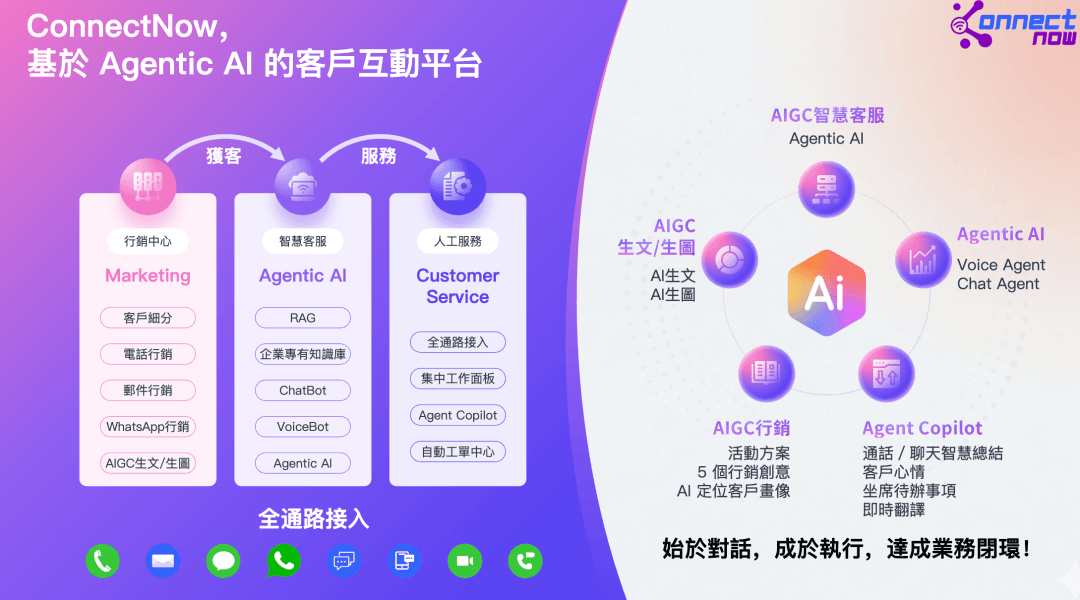
ConnectNow CTO Liu Leilei introduced a multi-agent architecture designed to solve this at scale.
Instead of a single system, multiple specialized AI Agents collaborate:
- Marketing Agents – capture and qualify leads
- Service Agents – provide 24/7 support
- Retention Agents – drive lifecycle engagement and repeat purchases
Together, they create a unified growth loop:
Acquire → Serve → Retain → Expand
With support for:
- 130+ languages
- 120+ country coverage
- 20+ integrated channels
Businesses can scale globally without scaling operational complexity.
Case Study: DOOGEE
A standout moment of the event was a practical case study shared by DOOGEE, a global smart device brand operating in over 60 countries.
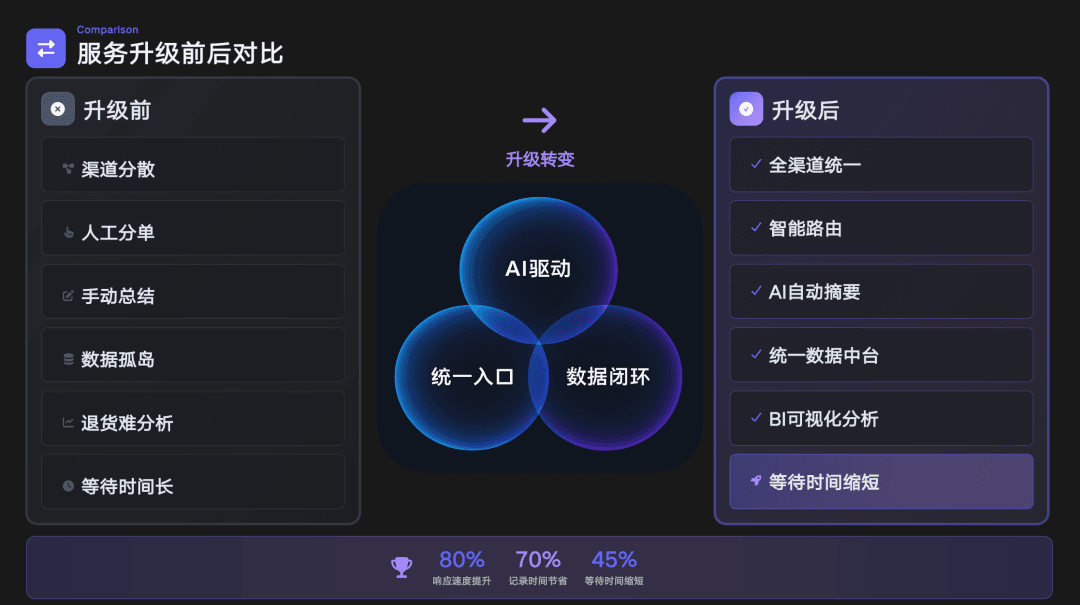
Before adopting ConnectNow, DOOGEE faced common global challenges:
- Fragmented service channels
- Disconnected customer data
- Manual and inefficient workflows
- Lack of actionable insights
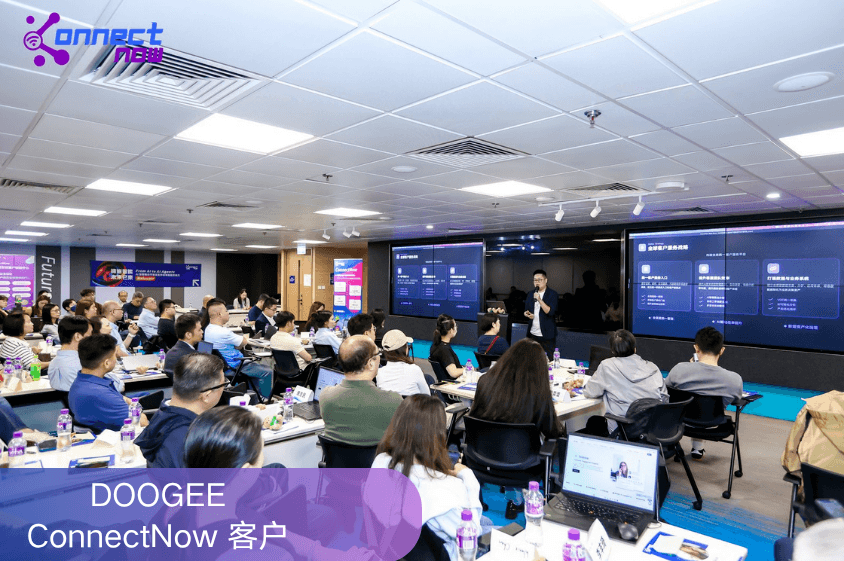
After implementing ConnectNow’s AI Agent platform:
- All channels were unified
- Customer data became fully visible
- Ticketing and routing were automated
- Knowledge gaps were continuously optimized
- Customer feedback directly informed product decisions
The Results
- 80% faster response times
- 70% reduction in manual work
- 45% shorter customer wait times
Customer service shifted from a cost center to a revenue-driving function.
From Concept to Reality: AI Agents in Action
The event concluded with a live demo showcasing real-world use cases across WhatsApp and live chat.
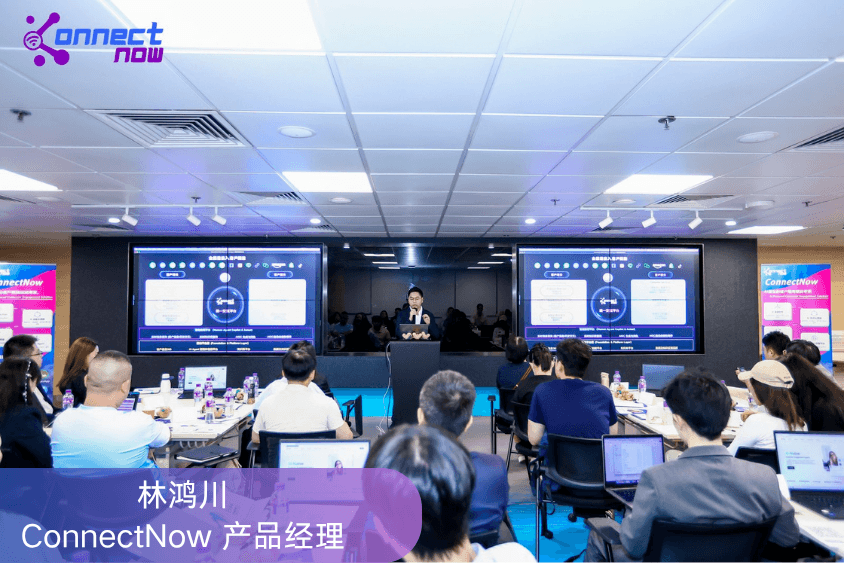
Attendees experienced how AI Agents:
- Understand complex intent
- Maintain multi-turn context
- Support multimodal interaction
- Retrieve knowledge instantly
- Execute tasks directly
This demonstrated a complete transformation:
From conversation → to execution → to business outcomes
AI Agents as a Business Imperative
This ConnectNow × HKPC event provided a comprehensive view of how AI Agents can be successfully implemented — from strategy and architecture to real-world execution.
As digital transformation and globalization accelerate, AI Agents are no longer optional. They are becoming essential for businesses looking to:
- Operational efficiency
- Customer experience
- Global scalability
- Revenue growth
ConnectNow will continue working with the Hong Kong Productivity Council and ecosystem partners to bring production-ready AI Agent solutions to enterprises worldwide.
Get the Full AI Agent Report
To access the full event presentation and AI Agent market insights, submit your information via the official form. Our team will share the materials directly with you.